
The $20 Part That Could Save You From a $2,000 Engine Repair
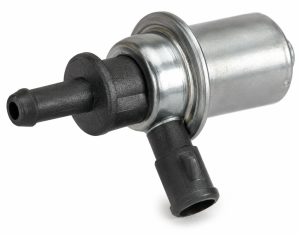 Most drivers know they should change their oil. Many know they should replace their air filter. But there’s one inexpensive part that almost nobody thinks about—until it causes problems.
It’s called the PCV valve, and while it often costs less than $20 for the part itself, ignoring it can contribute to expensive engine repairs.
What Is a PCV Valve?
PCV stands for Positive Crankcase Ventilation. It may have a complicated name, but its job is simple.
As your engine runs, a small amount of combustion gases escapes past the piston rings into the crankcase. Without a way to remove these gases, pressure would build inside the engine, forcing oil past seals and gaskets and allowing moisture and contaminants to accumulate.
The PCV valve regulates the flow of these gases back into the engine so they can be burned during combustion instead of remaining trapped inside.
It’s a small component with a very important job.
What Happens When a PCV Valve Fails?
Like any mechanical part, a PCV valve can wear out or become clogged over time.
When it stops working properly, several problems can develop:
- Increased oil consumption
- Oil leaks caused by excessive crankcase pressure
- Sludge buildup inside the engine
- Rough idle or poor engine performance
- Increased emissions
- Check Engine Light illumination on some vehicles
Left unchecked, these issues can contribute to damaged seals, gasket failures, and other costly repairs.
Can a Bad PCV Valve Really Lead to Expensive Repairs?
Yes—but usually not overnight.
A failed PCV valve isn’t likely to destroy an engine in a single trip to the grocery store. The problem is that many drivers don’t notice the symptoms for months or even years.
Over time, excessive crankcase pressure can push oil past seals and gaskets. Contaminants can accumulate inside the engine, reducing lubrication and increasing wear. Oil leaks can worsen, and repairs that started as a simple maintenance item can become much more involved.
Replacing a PCV valve during routine maintenance is far less expensive than repairing multiple oil leaks or addressing damage caused by neglected engine ventilation.
Signs Your PCV Valve May Need Attention
Watch for these common warning signs:
- Oil leaking around valve covers or engine seals
- Whistling noises from the engine
- Rough or unstable idle
- Excessive oil consumption
- Blue exhaust smoke
- Sludge visible under the oil cap
- A Check Engine Light related to the PCV system
These symptoms don’t always mean the PCV valve is the culprit, but they’re worth having checked by a qualified technician.
Is the PCV Valve Replaced During Every Service?
Not necessarily.
Unlike oil filters or engine oil, there isn’t a universal replacement interval for PCV valves. Some manufacturers recommend periodic replacement, while others consider them a long-life component unless problems develop.
Because replacement intervals vary by make and model, it’s a good idea to have the PCV system inspected as part of regular maintenance.
Why Preventive Maintenance Matters
Modern engines are incredibly reliable, but they depend on many small components working together.
Ignoring routine maintenance because “it’s only a small part” can sometimes lead to much larger repair bills later.
At Gappa Automotive, we believe in helping customers prevent problems whenever possible. During routine maintenance visits, we inspect your vehicle and let you know if we spot components that are showing signs of wear before they become bigger issues.
Sometimes the least expensive repair is the one you make before something fails.
The Bottom Line
A PCV valve may not be the most exciting part under your hood, but it plays an important role in protecting your engine.
If your vehicle has high mileage, you’re noticing oil leaks, or it’s simply been a while since your last inspection, now is a great time to have your vehicle checked.
Preventive maintenance is almost always less expensive—and less stressful—than major engine repairs.
If you have questions about your vehicle’s maintenance schedule or want peace of mind before your next road trip, the team at Gappa Automotive is here to help.
Sources
American Automobile Association (AAA). Car Maintenance and Repair Tips.
https://www.aaa.com/autorepair
Motorist Assurance Program (MAP). Vehicle Maintenance Guidelines.
https://www.motorist.org/
National Institute for Automotive Service Excellence (ASE). Car Care Tips.
https://www.ase.com/car-care-tips
Federal-Mogul Motorparts. Understanding Positive Crankcase Ventilation (PCV) Systems.
https://www.drivparts.com
Haynes Manuals. What Does a PCV Valve Do?
https://haynes.com/en-us/tips-tutorials
Family Handyman. Symptoms of a Bad PCV Valve and Why It Matters.
https://www.familyhandyman.com/