
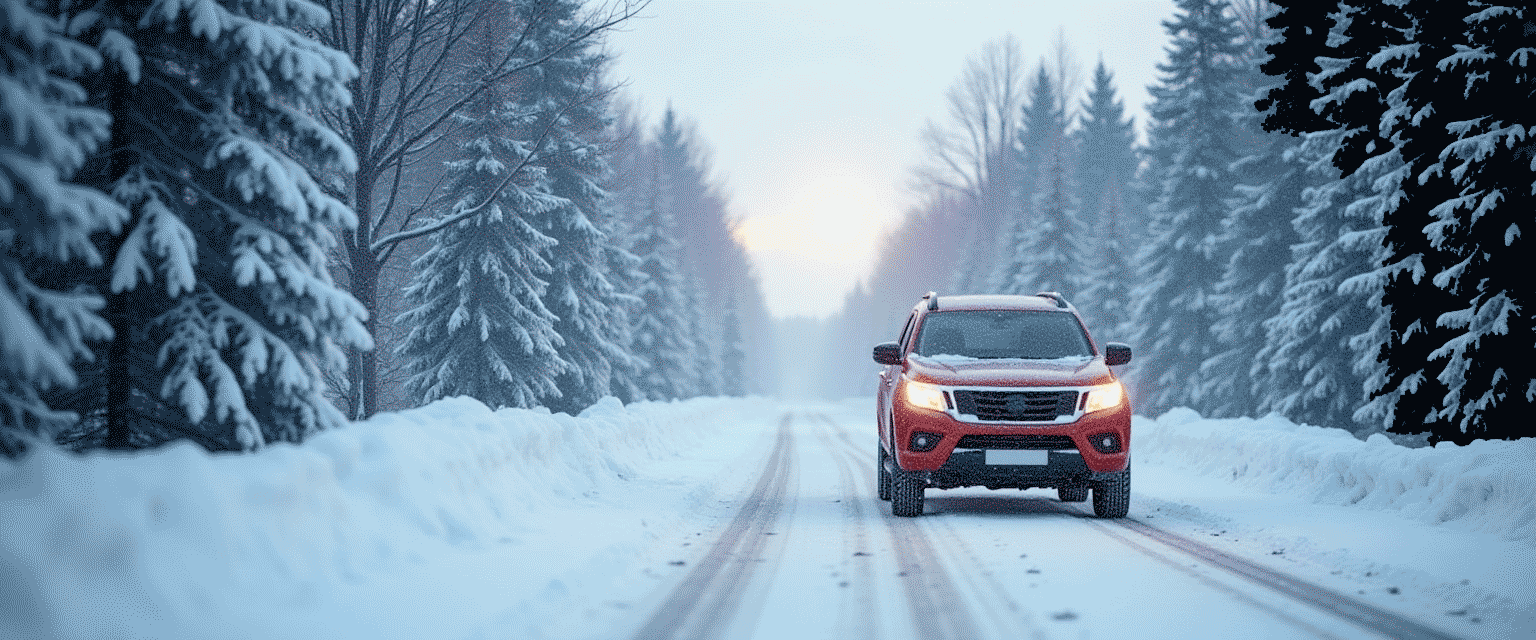
 When winter settles in across Minnesota, the roads transform into a mix of slush, ice, and unpredictable conditions. At Gappa Automotive, we know that staying safe isn’t just about reacting to winter weather—it’s about preparing for it. That’s why we’ve put together this list of the Top 5 Winter Safety Tips, starting with the least essential and building up to the single most important winter driving habit you can adopt.
Whether you’re commuting across town or heading out on a long holiday road trip, these insights will help you stay confident, prepared, and protected all season long.
5. Keep Your Gas Tank at Least Half Full
This tip often gets overlooked, but it’s more important than many drivers realize. In winter, a fuller tank does more than just keep you from running out of fuel—it helps protect your vehicle from cold‑weather complications.
Why it matters:
- Prevents fuel line freeze‑up: Moisture can accumulate in your fuel system. When temperatures drop, that moisture can freeze, blocking fuel flow.
- Ensures you can stay warm in an emergency: If you get stuck in traffic, stranded in a ditch, or delayed by a storm, you’ll want enough fuel to keep the heat running.
- Supports engine performance: Cold starts are harder on your engine. Adequate fuel helps maintain consistent pressure and performance.
It’s a simple habit, but one that can save you from a surprising number of winter headaches.
4. Pack a Winter Emergency Kit
Even the most careful drivers can find themselves in unexpected situations during winter. Snowstorms roll in quickly, roads close, and vehicles get stuck. That’s why having a well‑stocked winter emergency kit is one of the smartest winter safety tips you can follow.
What to include:
- Blanket or thermal sleeping bag
- Ice scraper and snow brush
- Jumper cables
- Flashlight with extra batteries
- Non‑perishable snacks and bottled water
- Portable phone charger
- Small shovel
- Sand, salt, or kitty litter for traction
- First‑aid kit
You may never need it—but if you do, you’ll be grateful it’s there. A winter emergency kit turns a dangerous situation into a manageable one.
3. Slow Down and Increase Following Distance
Winter driving requires a different mindset. Even if you’re an experienced driver, icy roads can surprise you. Slowing down and giving yourself more space is one of the most effective ways to avoid collisions.
Here’s why:
- Stopping distances double—or triple—on ice and snow.
- Black ice is nearly invisible, especially at dawn and dusk.
- Other drivers may lose control, and you need time to react.
A good rule of thumb: Increase your following distance to at least 6–8 seconds in winter conditions.
This simple adjustment dramatically reduces your risk of rear‑end collisions and gives you the reaction time you need when the unexpected happens.
2. Get a Winter‑Ready Vehicle Inspection
Before winter hits full force, your vehicle needs to be ready for the cold. At Gappa Automotive, we see the same pattern every year—drivers come in after a breakdown that could have been prevented with a pre‑winter inspection.
A winter inspection ensures that the systems you rely on most are prepared for freezing temperatures, snow, and ice.
Key components to check:
- Battery health: Cold weather reduces battery capacity.
- Brakes: You need maximum stopping power on slick roads.
- Tires: Adequate tread depth and proper inflation are critical.
- Fluids: Antifreeze, oil, and washer fluid must be winter‑grade.
- Wipers: Visibility is everything in winter storms.
- Heating and defrosting systems: Essential for comfort and safety.
A winter inspection is one of the most cost‑effective ways to prevent breakdowns, extend the life of your vehicle, and keep your family safe.
1. Install Winter Tires — The Most Important Winter Safety Tip
If there’s one winter safety tip that stands above all others, it’s this: Equip your vehicle with winter tires.
Many drivers assume all‑season tires are enough, but in Minnesota winters, that’s simply not the case. Winter tires are engineered specifically for cold temperatures, snow, and ice—and the difference in performance is dramatic.
Why winter tires matter more than anything else:
- Superior traction: Winter tire rubber stays flexible in freezing temperatures, gripping the road instead of hardening like all‑season tires.
- Better braking: Studies show winter tires can reduce stopping distance by up to 30% on snow and ice.
- Improved handling: Deep tread patterns channel slush and snow away from the tire, helping you maintain control.
- Enhanced safety for you and others: Better traction means fewer skids, fewer close calls, and fewer accidents.
If you only follow one winter safety tip this year, make it this one. Winter tires are the single most effective upgrade you can make for cold‑weather driving.
Stay Safe This Winter with Gappa Automotive
Winter driving doesn’t have to be stressful. With the right preparation—and the right support—you can navigate the season with confidence. At Gappa Automotive, we’re here to help you stay safe, warm, and ready for whatever the winter roads bring.
Whether you need a winter inspection, new tires, or expert advice, our team is ready to keep your vehicle performing at its best.
Sources:
Consumer Reports – Tire Tread and Winter Traction
https://www.consumerreports.org/cars/tires/make-sure-your-tires-have-enough-tread-for-winter-a6082176624/
National Highway Traffic Safety Administration (NHTSA) – Winter Driving Tips & Tire Pressure
https://www.nhtsa.gov/winter-driving-tips‘
Hercules Tire – Cold Weather Tire Pressure & Winter Readiness
https://www.herculestire.com/the-tread/get-your-tires-ready-for-winter/Wikipedia – Tire Pressure Monitoring System (TPMS)
https://en.wikipedia.org/wiki/Tire-pressure_monitoring_system